
The cleaning and hygiene industry is evolving at high speed, and training methods are evolving with it. One technology that is gaining serious momentum is virtual reality (VR) for educating cleaning teams, because it makes instruction both more efficient and more effective. In this article we dive into how VR is transforming cleaner training, drawing on insights from across the sector, including an inspiring Interclean Show article you can read online.
TL;DR
VR training in the cleaning industry speeds up learning by a factor of three to four, boosts knowledge retention and can cut costs by up to 70%. Immersive simulations allow cleaners to practise safely, make training accessible for diverse groups and support upskilling in markets such as healthcare and hospitality. Challenges like upfront investment are shrinking fast, while future AI and sensor integrations promise even more impact. For deeper dives, explore external research on immersive learning techniques.
Putting people at the centre of cleaning training
Innovation in cleaning traditionally focused on tools, machines and chemicals. Yet, as experts remind us, even the best equipment delivers sub‑par results without well-trained, confident people. VR training puts humans first by offering interactive, immersive experiences that build skills, confidence and situational awareness. The result is higher job satisfaction and better on-site performance.
How VR training works in practice
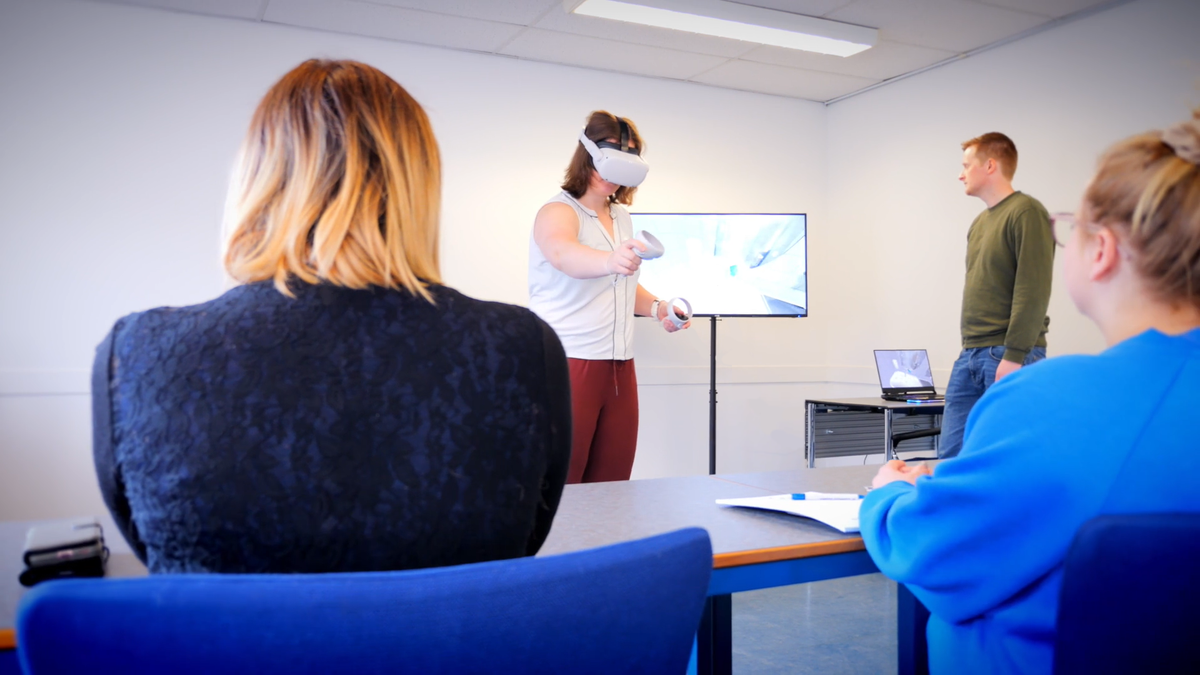
VR places cleaners inside lifelike, simulated environments where they can rehearse tasks that range from basic microfibre techniques to complex emergency procedures. Sessions are repeatable without disrupting live workplaces or requiring costly setups. Modern systems even layer in AI for real-time translations and accessibility options, making them ideal for people with learning difficulties or language barriers and perfect for diverse teams.
Benefits for cleaners and organisations
Research shows that VR training accelerates learning three to four times compared with classroom or e-learning formats because full immersion improves knowledge retention. Staff apply their skills more consistently afterwards, which leads to better outcomes and cost savings of up to 70% for employers. Simulations mirror real-world scenarios, so teams manage time more effectively. Multiple studies confirm retention rates of up to 90% and dramatically shorter time-to-competency.
Use cases across different sectors
VR scenarios can be tailored to hospitals, hotels, offices, cleanrooms and more. Programmes usually start with foundational skills before moving into sector-specific modules, making them suitable for both newcomers and seasoned professionals. That is why VR is valuable not just for cleaning providers but also for healthcare institutions, education campuses and facility managers. Hospitality teams, for example, absorb knowledge and develop skills much faster with immersive training.
Overcoming challenges and misconceptions
Many people still assume VR is expensive or complicated, but that is no longer true. User-friendly hardware and software support rapid deployments, and costs are dropping as adoption rises, putting VR within reach for organisations of every size. It can even lower liability during training with hazardous substances. Academic evaluations show that VR accurately mirrors real-life situations, even if initial spend can be a temporary hurdle.
The future of digital training in cleaning
VR does not stop at basic instruction. Next steps include AI-powered virtual coaches, ergonomic modules with sensors and integrations with quality control platforms. As digitalisation accelerates—think robotics and data-driven operations—VR can become a cornerstone in the industry’s transformation, keeping humans at the heart while raising professional standards.
Conclusion
VR training is a promising innovation that helps the cleaning industry train people faster, more inclusively and with greater engagement. Even though the technology is still relatively new, the benefits are already visible. Ultimately it is not about gadgets, but about empowering people in a people-first sector. For more inspiration, revisit the Interclean Show article or dive into other resources on immersive learning.